The EpiSwitch® PSE Test
An advanced blood test that combines your PSA result with five epigenetic markers to give a clearer answer on prostate cancer risk — helping you and your consultant decide whether a biopsy is really needed.

A clearer answer on prostate cancer risk
The EpiSwitch® PSE is an advanced blood test developed by Oxford BioDynamics that builds on the standard PSA test. Alongside your PSA result, it analyses five validated epigenetic markers in the blood to assess whether prostate cancer is likely to be present.
The result helps you and your consultant make a better-informed decision about what to do next — in particular, whether to proceed to an MRI or biopsy, or whether these can reasonably be avoided. It is a single, simple blood sample, and can be carried out at any age and any PSA level.
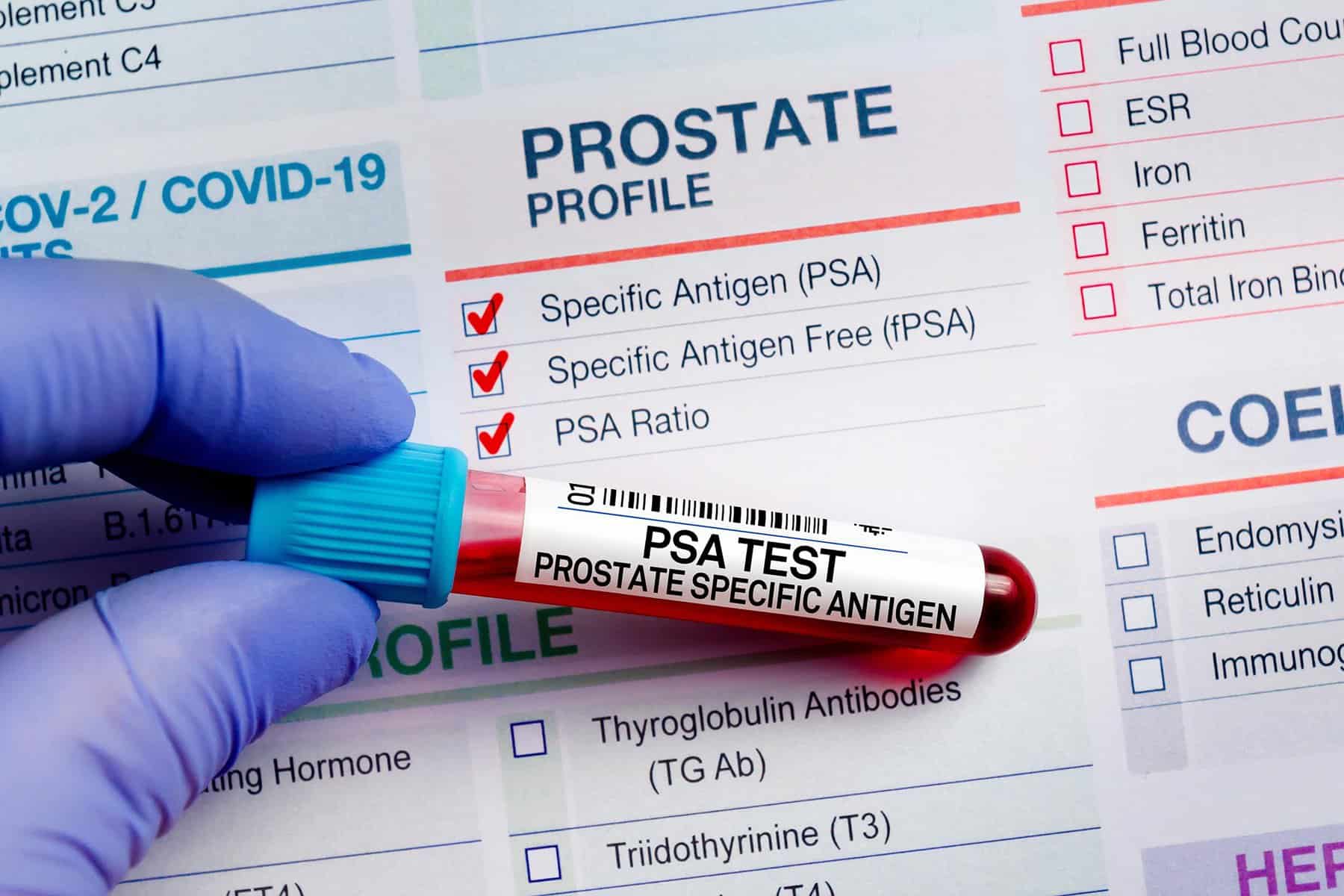
PSA alone doesn't tell the whole story
PSA is the standard first-line test, but a raised result is often a false alarm. Used on its own it is only around 55% accurate, which can lead to anxiety, repeat testing and biopsies that, with hindsight, were not needed.
By adding the epigenetic markers measured in the PSE test, that accuracy rises substantially — giving a much clearer picture before any invasive step.
How it works
A simple blood test, three steps
Consultation & sample
You’ll see one of our consultants, who will take a small blood sample. If you don’t have a recent PSA result, this can be arranged at the same time.
Laboratory analysis
The laboratory combines your PSA score with five validated epigenetic markers to assess the likelihood of prostate cancer.
Your result & plan
Your secure report is returned to your consultant within around a week, who will explain the result and agree your next steps with you.
What the result means
The PSE report gives a clear, binary outcome. Your consultant always interprets it alongside your history, examination and any other tests.
Reassurance, and fewer unnecessary biopsies
A low-likelihood result is consistent with the absence of prostate cancer in more than 9 in 10 men. It can offer peace of mind and help you and your consultant avoid an unnecessary biopsy and over-treatment.
A faster route to the right next step
A high-likelihood result is consistent with prostate cancer being confirmed in more than 9 in 10 men. It helps your consultant move you quickly towards the right investigation, such as an MRI and/or biopsy.
Who the PSE test can help
- Men with a raised or rising PSA level
- Men weighing up whether to have a prostate biopsy
- Men with urinary or other prostate-related symptoms
- Anyone wanting greater certainty before further investigation or treatment
- Suitable at any age and any PSA level
- Not affected by a recent examination or BPH medication
Frequently asked questions
How accurate is the PSE test?
In published studies, the PSE test has reported around 94% accuracy in detecting prostate cancer, compared with around 55% for PSA testing alone. Your consultant will explain what your individual result means in the context of your wider clinical picture.
Does it replace a biopsy?
No. The PSE test does not diagnose prostate cancer; it helps determine whether a biopsy is needed. A diagnosis, including the grade and stage of any cancer, is confirmed by biopsy.
Do I need a recent PSA test?
The PSE combines your PSA score with the epigenetic markers. If you don’t have a recent PSA result, we can arrange one at the same appointment.
How long do results take?
Your secure report is usually returned to your consultant within around a week of the laboratory receiving your sample.
Is the test suitable for me?
An initial consultation will confirm whether the PSE test is appropriate for your circumstances and how it fits alongside any tests you have already had.
Get a clearer answer with the EpiSwitch PSE
If you have a raised or rising PSA, or you’re weighing up a biopsy, a consultation can help you decide whether the PSE test is right for you.
- AppointmentSubmit Enquiry
- Reception01189207055
Accuracy of the result: performance figures (accuracy, specificity, predictive values) are as reported by the test developer, Oxford BioDynamics, in published studies. The EpiSwitch® PSE supports clinical decision-making and does not, on its own, diagnose or rule out prostate cancer. All results are interpreted by your consultant alongside your history, examination and other tests.
For approval: please have your clinical lead and advertising-compliance contact confirm the statistical claims (94% accuracy, 97% specificity, 95% NPV, 93% PPV) and the comparative PSA figure before publishing, and add the confirmed price. EpiSwitch® is a registered trademark of Oxford BioDynamics, Plc.