Peyronie’s Disease Treatment in Newcastle
Peyronie’s disease causes a curve in the penis due to scar tissue forming within it. It is more common than many men realise and a range of treatments can help reduce curvature, ease pain and restore confidence. Consultant-led care ensures discreet and measured assessment.

What is Peyronie’s disease?
Peyronie’s disease is a condition in which fibrous scar tissue, known as plaque, develops inside the penis. This plaque can cause the penis to curve during erection and may lead to pain, palpable lumps or difficulty maintaining erections.
The condition typically progresses in two phases:
- Active phase – curvature and pain may be changing or worsening
- Stable phase – symptoms settle and the curve becomes consistent
Treatment depends partly on which phase you are in, which makes early assessment valuable.
Although it can be distressing, Peyronie’s disease is not rare and it is treatable. Many men delay seeking help due to embarrassment. Early consultation often provides more treatment options, particularly during the active phase.
Your consultant will confirm the diagnosis, identify the stage of the condition and guide you through appropriate options.

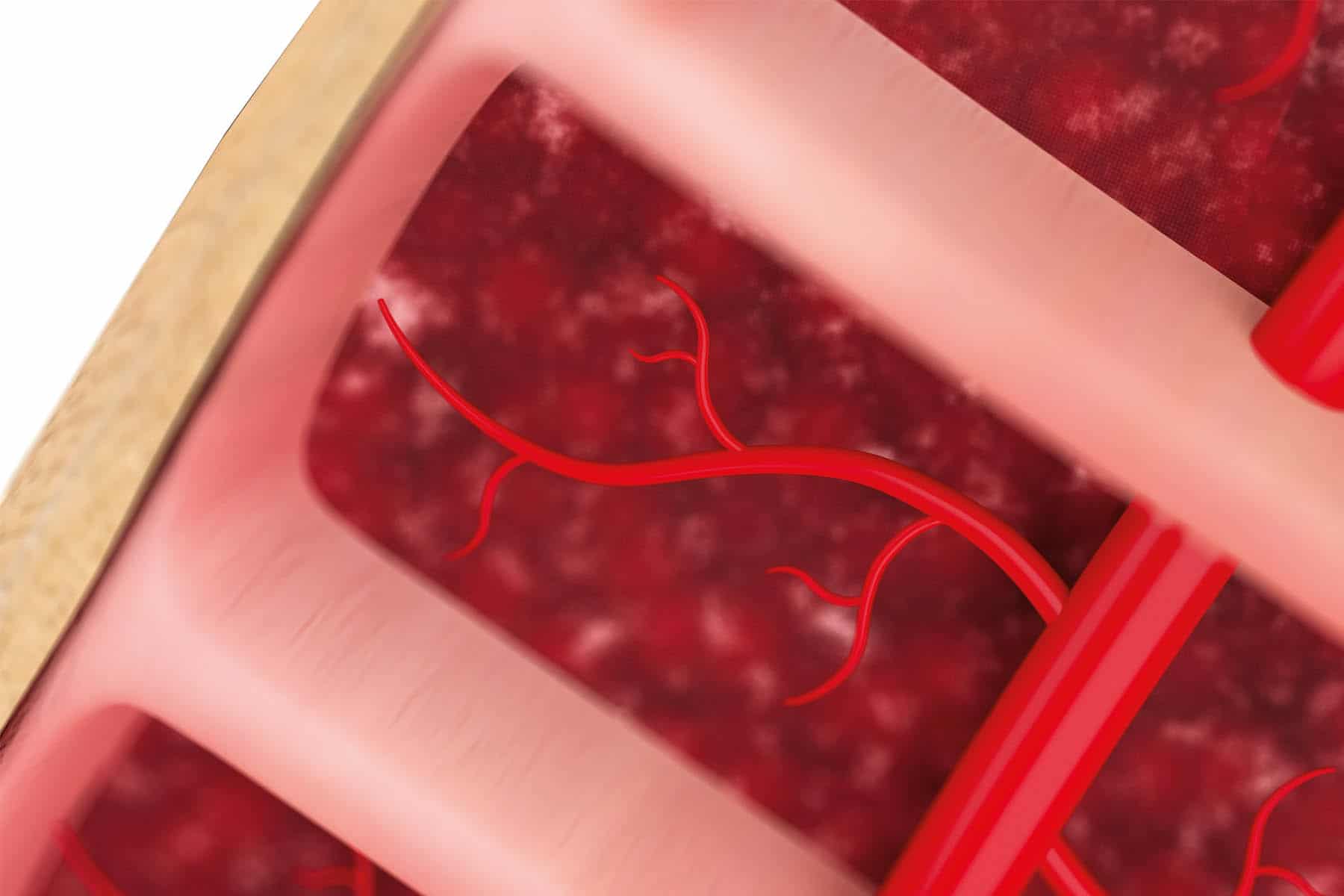
Recognising Peyronie’s disease
Peyronie’s disease can show itself in several ways, which may change over time.
Curvature
A noticeable bend or curvature during erection which may interfere with intercourse.
Pain
Pain during erections, most commonly in the earlier active phase.
Lumps or firmness
A firm band or plaque that may be felt under the skin. Symptoms can evolve over time and vary in severity.
How we assess Peyronie’s disease
Assessment focuses on confirming the diagnosis and understanding the severity.
Clinical examination
A focused examination identifies plaque position and degree of curvature.
Erectile assessment
Discussion of erection quality and impact on function.
Imaging where required
Ultrasound may be used in selected cases to assess plaque and blood flow. Not every patient requires imaging. Investigation is proportionate to symptoms.
Treatment options for Peyronie’s disease
The right treatment depends on the severity of the curvature, whether you have pain, and which phase you are in. In the active phase, non-surgical options come first; for stable, troublesome curvature, surgery can be considered. Your consultant will set out what genuinely applies to you.
Perovial
An injectable treatment based on high-purity hyaluronic acid used during the active phase to soften plaque and reduce curvature.
Shockwave Therapy
Low-intensity sound waves used primarily to reduce pain in the active phase.
Plaque-targeted injections and surgery
Additional injectable medicines may be considered. For stable and significant curvature affecting function, surgical straightening procedures may be appropriate. Your consultant will recommend the option best suited to your stage and symptoms.
From assessment to treatment
Management depends on phase, severity of curvature and impact on sexual function.
In the active phase, non-surgical treatments are usually prioritised. In the stable phase, when curvature remains troublesome, surgical correction may be considered.
Treatment is individualised and explained clearly so that expectations are realistic.
Why choose The Forbury Clinic for Peyronie’s disease treatment in Newcastle?
Early assessment widens options
Seeking advice during the active phase often allows more conservative treatments.
Non-surgical options first
Injectable therapy and shockwave treatment may reduce curvature and pain without surgery.
Discreet and experienced care
Consultations are professional, confidential and handled sensitively.
Surgical correction when appropriate
For stable and significant curvature, surgical options are available and discussed honestly.
Frequently asked questions
Is Peyronie’s disease serious?
It is not life-threatening, but it can cause pain, curvature and emotional distress. It is common and manageable with the right treatment.
Can it improve on its own?
In some men symptoms stabilise or slightly improve, but curvature often persists. Early assessment increases treatment choices.
Do I need surgery?
Not usually at first. Many men are managed with non-surgical options. Surgery is generally reserved for stable and functionally significant curvature.
What is Perovial?
Perovial is an injectable treatment based on hyaluronic acid used in the active phase to soften plaque and reduce curvature.
Do I need a referral?
No. Self-referral is welcome and appointments can be arranged directly.

Book your urology consultation today
Consultations are available to book online for patients with or without a GP referral. Our private specialists provide world-class care in a discrete environment.
- AppointmentBook a consultation
- Reception01189207055
- Location
The Beverley Hospital, The Edge, Fifth Ave, Team Valley, Gateshead NE11 0XA