Prostatitis Treatment in Newcastle
Prostatitis, which is inflammation of the prostate gland, can cause pain and urinary symptoms that gradually wear you down. It is common, often very treatable and deserves proper assessment to understand what is driving it.

What is prostatitis?
Prostatitis means inflammation of the prostate. The prostate is a small gland that sits below the bladder and surrounds the urethra in men.
Prostatitis can present in different ways:
- Acute prostatitis, which develops suddenly and is usually caused by bacterial infection
- Chronic prostatitis, which persists over weeks or months and may not involve infection
It affects men of all ages.
Symptoms vary but often include:
- Pain or discomfort at the base of the penis
- Pain in the testicles, lower abdomen or perineum
- Burning or discomfort when passing urine
- Needing to pass urine more often
- A weaker urinary stream
- Pain on ejaculation
Because these symptoms overlap with urinary tract infection and benign enlarged prostate, careful assessment is important to confirm the diagnosis and rule out other causes.

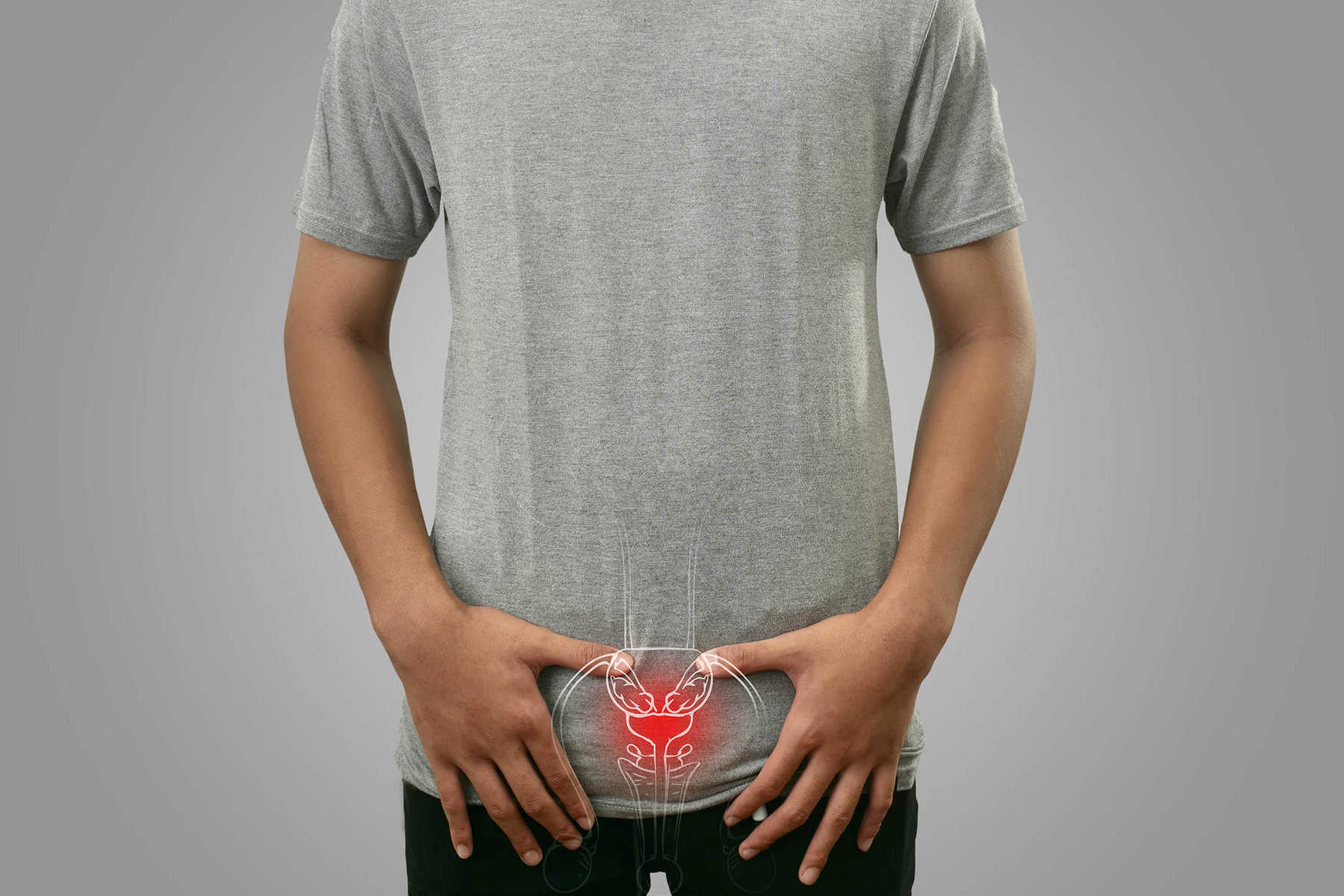
Types of prostatitis
Acute bacterial prostatitis
Usually caused by infection. Symptoms may include fever, chills and feeling unwell alongside pelvic pain and urinary discomfort. This form requires prompt treatment.
Chronic bacterial prostatitis
A longer-standing infection of the prostate that can cause recurring urinary symptoms or pelvic discomfort.
Chronic pelvic pain syndrome
Often referred to as chronic prostatitis without infection. No bacteria are found but inflammation and pain persist. This is common and manageable with the right approach.
How we assess prostatitis
Assessment aims to confirm inflammation, identify infection if present and exclude other causes.
Urine and blood tests
Urine testing checks for infection. Blood tests may include PSA where appropriate to complete the picture.
Urinary flow assessment
A simple non-invasive test measures the strength and pattern of your urinary stream.
Bladder ultrasound
A painless scan assesses how well the bladder empties and looks for contributing factors.
Flexible cystoscopy
Where needed, a thin camera allows inspection of the urethra and bladder.
MRI of the prostate
In selected cases, detailed imaging clarifies the diagnosis and excludes other conditions. Not every patient needs every investigation. Assessment is tailored to your symptoms and history.
From assessment to treatment
Evaluation usually begins with discussion of symptoms and urine testing to check for infection.
Further tests are recommended only where necessary. Investigation is proportionate rather than routine.
Treatment is then matched to what is found. If bacterial infection is confirmed, antibiotics are targeted appropriately. If no infection is present, management focuses on reducing inflammation, relieving pelvic floor tension and improving urinary symptoms. Care is adjusted as your symptoms evolve.
Treating prostatitis
Treatment depends on the type of prostatitis and what is driving it.
Antibiotics
Where bacterial infection is present or strongly suspected, a properly targeted course of antibiotics is prescribed.
Anti-inflammatory and symptom relief medication
Medication may be used to reduce inflammation and improve urinary symptoms.
Bladder instillations
In selected cases of persistent bladder-related discomfort, treatment delivered directly into the bladder can help soothe the lining.
Pelvic floor
For chronic pelvic pain syndrome, approaches addressing pelvic floor tension and lifestyle factors can be beneficial. Your consultant will explain which combination is most appropriate for you.
Why choose The Forbury Clinic for prostatitis treatment in Newcastle?
Clear diagnosis
Time is taken to understand your symptoms fully and confirm the cause rather than treating blindly.
Targeted treatment
Infection is treated precisely where present and alternative causes are managed appropriately.
Symptoms taken seriously
Prostatitis can be persistent and uncomfortable. Assessment and care are delivered with care and attention.
Direct access
Self-referral is welcome and appointments are arranged promptly without a GP referral.
Frequently asked questions
Is prostatitis the same as an enlarged prostate?
No. Prostatitis is inflammation of the prostate. An enlarged prostate, known as BPH, is a benign increase in size. Symptoms can overlap which is why proper assessment matters.
Is prostatitis caused by infection?
Sometimes. Acute prostatitis is usually bacterial. Chronic prostatitis often has no identifiable infection and involves other factors.
Is prostatitis serious?
It is not cancer and is usually treatable. Chronic forms can be persistent but manageable. Assessment also provides reassurance by excluding more serious causes.
Do I need a referral?
No. You can self-refer and arrange a consultation directly.

Book your urology consultation today
Consultations are available to book online for patients with or without a GP referral. Our private specialists provide world-class care in a discrete environment.
- AppointmentBook a consultation
- Reception01189207055
- Location
The Beverley Hospital, The Edge, Fifth Ave, Team Valley, Gateshead NE11 0XA