Flexible Cystoscopy in Newcastle
Flexible cystoscopy is a procedure used to look directly inside the bladder and urethra using a thin camera. It is commonly used to investigate blood in the urine, recurrent urinary symptoms, bladder discomfort or concerns that need direct inspection of the bladder lining. Tyneside Urology Partners provides flexible cystoscopy in Newcastle for patients who need specialist assessment of bladder or urinary symptoms.

What Is A Flexible Cystoscopy?
A flexible cystoscopy is a procedure that allows your clinician to examine the inside of the bladder and urethra. The urethra is the tube that carries urine from the bladder out of the body.
The test uses a thin, flexible instrument called a cystoscope. This has a small camera and light at the end, allowing the bladder lining and urethra to be seen directly.
Flexible cystoscopy is commonly recommended when symptoms need closer investigation. It can be particularly useful for checking blood in the urine because it gives a direct view of the bladder lining. Some causes of bleeding or irritation may not be seen clearly on imaging alone.
The procedure is carried out in a clinical setting using local anaesthetic gel to numb the urethra. It usually takes only a short time, and your clinician will explain what they are looking for and what the findings mean.
Why Flexible Cystoscopy May Be Recommended
Flexible cystoscopy may be recommended when urinary symptoms need direct assessment. Urine tests and scans can provide useful information, but they do not always show the bladder lining in enough detail.
A cystoscopy allows your clinician to inspect the bladder for possible causes of symptoms such as bleeding, inflammation, stones, narrowing, growths or other changes. Most symptoms do not mean something serious, but direct assessment can help identify or rule out important causes.
It is often used as part of a structured assessment for blood in the urine. Visible blood in the urine should always be checked by a healthcare professional, even if it happens only once or there is no pain.
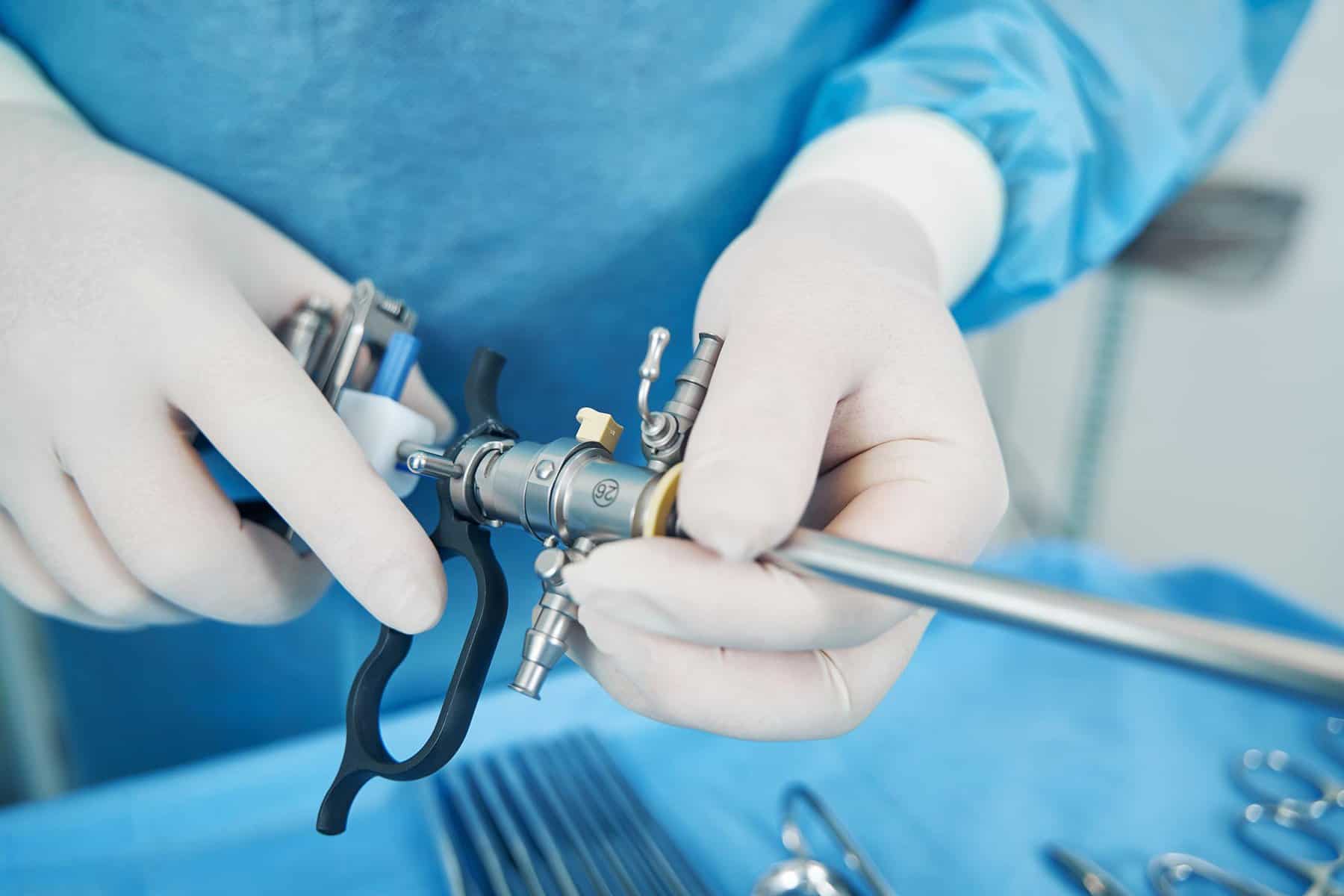
A clear look inside
A flexible cystoscopy provides direct information in three ways.
Direct inspection
A result in around 35 minutes rather than the two to three days a standard culture can take, so treatment can begin without delay.
Local anaesthetic
By identifying the responsible bacteria quickly, it helps direct the right antibiotic for you rather than a one-size-fits-all approach.
Immediate findings
What the consultant sees can often be discussed with you straight afterwards.
Who Flexible Cystoscopy Is For
Flexible cystoscopy may be suitable for people with bladder or urinary symptoms where direct inspection of the bladder and urethra is needed.
Specialist assessment may be helpful if you:
- Have visible blood in the urine
- Have non-visible blood found on urine testing
- Have recurrent urinary tract infections
- Have persistent bladder pain or discomfort
- Have ongoing urgency or frequency
- Have urinary symptoms that have not been explained by other tests
- Need the bladder lining checked
- Have symptoms after previous bladder or prostate treatment
- Are being monitored for a previous bladder condition
- Need further investigation after urine tests or imaging
What to expect
- Before the procedure
Your consultant explains what is involved; numbing gel is applied to make the examination comfortable.
- The examination
The flexible cystoscope is gently passed into the bladder and the lining is inspected; it usually takes only minutes. - Afterwards
Findings are often discussed immediately, and most people resume normal activities the same day.
Benefits Of Flexible Cystoscopy
Direct View Of The Bladder
The procedure allows your clinician to see the bladder lining and urethra directly. This can provide information that urine tests or scans may not show.
Useful For Blood In The Urine
Flexible cystoscopy is commonly used to investigate visible or non-visible blood in the urine. It can help identify or rule out causes within the bladder.
Local Anaesthetic Procedure
The procedure is carried out using local anaesthetic gel. You are usually awake and able to go home afterwards.
Findings Can Often Be Discussed Promptly
In many cases, your clinician can explain what they have seen shortly after the procedure. If further tests are needed, the next steps will be discussed.
Frequently asked questions
Does a flexible cystoscopy hurt?
Most people find flexible cystoscopy uncomfortable rather than painful. Local anaesthetic gel is used to numb the urethra, and the flexible scope is designed to pass gently into the bladder. Your clinician and team will support your comfort throughout.
Will I be awake during flexible cystoscopy?
Yes. Flexible cystoscopy is usually carried out under local anaesthetic, so you are awake during the procedure. You can usually go home soon afterwards.
Why do I need cystoscopy if I have had a scan?
Scans and cystoscopy provide different information. A scan can show the kidneys, bladder and surrounding structures, while cystoscopy allows your clinician to inspect the bladder lining directly.
How long does flexible cystoscopy take?
The examination itself usually takes only a short time. Your appointment will also include preparation, explanation of the procedure and discussion of findings where appropriate.
Are there any after-effects?
You may notice mild stinging when passing urine, a small amount of blood in the urine or needing to pass urine more often for a short time. These symptoms often settle quickly.
When should I seek medical advice after cystoscopy?
Seek medical advice if you develop fever, worsening pain, heavy bleeding, difficulty passing urine or feel very unwell after the procedure.

Book your urology consultation today
Consultations are available to book online for patients with or without a GP referral. Our private specialists provide world-class care in a discrete environment.
- AppointmentBook a consultation
- Reception01189207055
- Location
The Beverley Hospital, The Edge, Fifth Ave, Team Valley, Gateshead NE11 0XA