Nerve Stimulation Newcastle
Gentle stimulation of the nerves that control the bladder can reduce urgency and frequency in overactive bladder. It is a low-impact and drug-free option for people seeking an alternative to medication.

What is nerve stimulation?
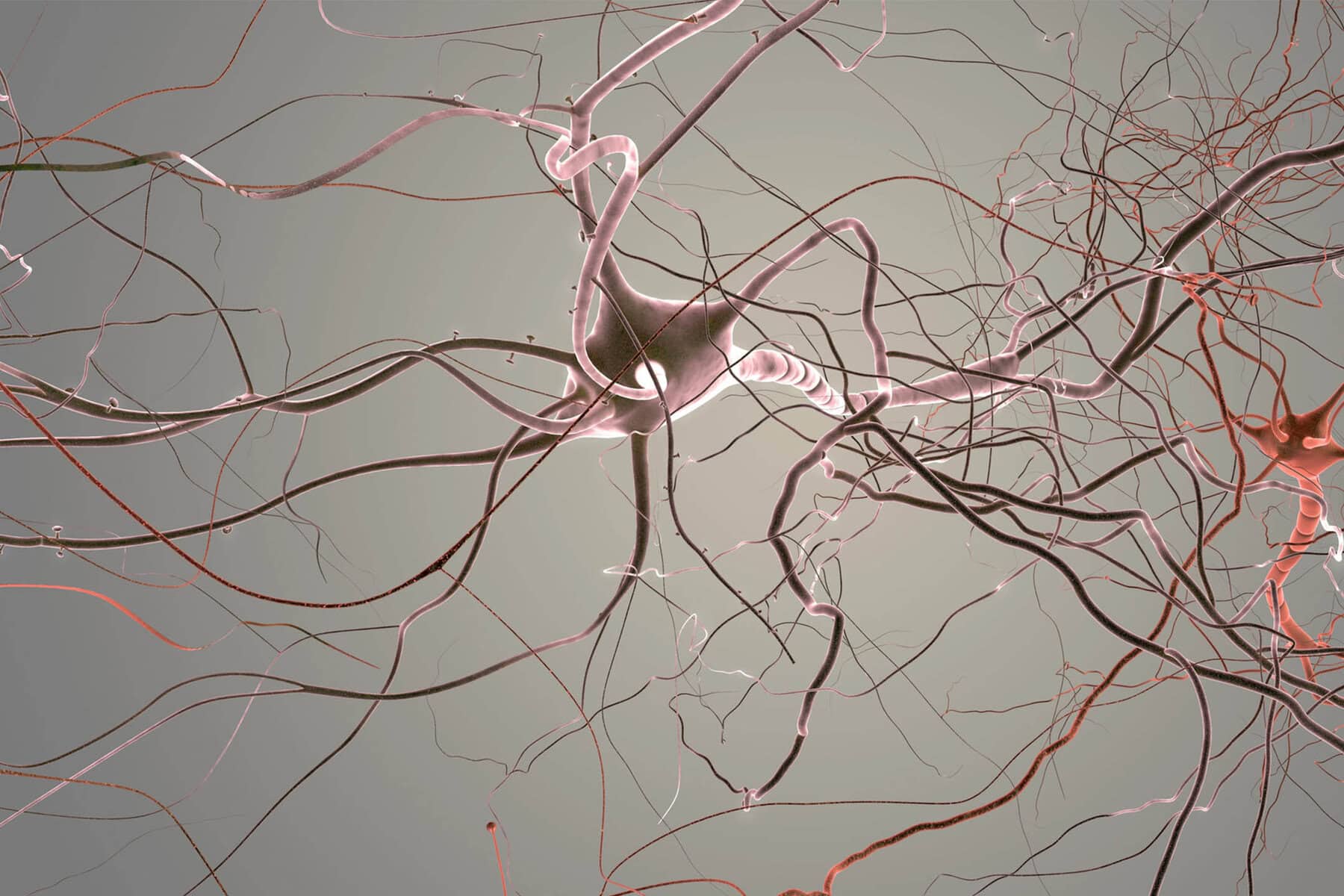
Nerve stimulation, also known as neuromodulation, treats overactive bladder by influencing the nerve signals between the bladder and the brain.
In overactive bladder, these signals can become overactive or poorly regulated. This leads to sudden urgency, frequent trips to the toilet and sometimes urge incontinence, which is leakage before reaching the toilet.
By gently modulating these nerve signals, treatment can calm unwanted bladder contractions and improve control.
A commonly used form is percutaneous tibial nerve stimulation, often shortened to PTNS. This involves placing a very fine needle near the ankle to stimulate the tibial nerve. The tibial nerve connects through the spinal cord to the nerves that control the bladder.
PTNS is straightforward and delivered as a course of short sessions.
For people with more severe or persistent symptoms, a more involved form of neuromodulation using an implanted device may be considered. Your consultant will explain which approach is appropriate for your symptoms and health.
Nerve stimulation is particularly helpful for people who:
- Prefer to avoid medication
- Have not tolerated medication
- Wish to try a low-impact option before more invasive treatments
How it works
Nerve stimulation reduces overactive bladder symptoms by calming abnormal nerve signals.
Modulates nerve activity
Gentle electrical stimulation influences the communication between the bladder and the brain.
Reduces urgency and frequency
Over a course of sessions, many people experience fewer and less intense urges to pass urine.
Drug-free and low impact
The common form, PTNS, is delivered in clinic and is generally well tolerated.
Who nerve stimulation may suit
This treatment may be suitable for people who:
- Have overactive bladder with urgency and frequency
- Experience urge incontinence
- Wish to avoid medication
- Have not tolerated medication side effects
- Have been assessed as appropriate for neuromodulation
A consultation confirms the diagnosis and ensures other causes of symptoms have been excluded.
What to expect
- Assessment
Your consultant will review your symptoms and confirm a diagnosis of overactive bladder. Previous treatments will be discussed. - A course of sessions
The most common approach, PTNS, is delivered as short regular sessions in clinic. A fine needle is placed near the ankle and mild stimulation is applied for around 30 minutes. A typical initial course involves weekly sessions for several weeks. Your consultant will advise on the appropriate schedule. - Review and next steps
Your response is assessed over the course of treatment. Some people continue with maintenance sessions. If symptoms remain troublesome, alternative options can be discussed.
Why choose The Forbury Clinic for nerve stimulation in Newcastle?
Drug-free option
An alternative for people who prefer not to take medication or cannot tolerate it.
Low-impact treatment
PTNS is straightforward and does not involve surgery.
Targets the underlying mechanism
Works on the nerve signals that drive overactive bladder symptoms rather than simply masking them.
Part of a stepped pathway
Sits between conservative measures and more invasive treatments, broadening your options.
Frequently asked questions
Does nerve stimulation hurt?
PTNS uses a very fine needle near the ankle to deliver mild stimulation. Most people tolerate it well and describe only a tingling sensation.
How many sessions will I need?
It is usually delivered as a course of regular sessions rather than a single treatment. Your consultant will recommend a schedule based on your symptoms.
Is there a more involved option?
Yes. For more severe symptoms, sacral neuromodulation using an implanted device may be considered. Your consultant will explain when this is appropriate.
When is it used?
It is used for overactive bladder, particularly when medication has not helped or is not suitable.

Book your urology consultation today
Consultations are available to book online for patients with or without a GP referral. Our private specialists provide world-class care in a discrete environment.
- AppointmentBook a consultation
- Reception01189207055
- Location
The Beverley Hospital, The Edge, Fifth Ave, Team Valley, Gateshead NE11 0XA