Robotic Radical Prostatectomy
A precise and robot-assisted operation to remove the prostate as a treatment for suitable localised prostate cancer. Your consultant will explain whether surgery is appropriate for you, what it involves and how it compares with the alternatives.

What is robotic radical prostatectomy?
Robotic radical prostatectomy, also known as robot-assisted radical prostatectomy, is an operation to remove the entire prostate gland as treatment for localised prostate cancer. Localised means the cancer is confined to the prostate and has not spread elsewhere.
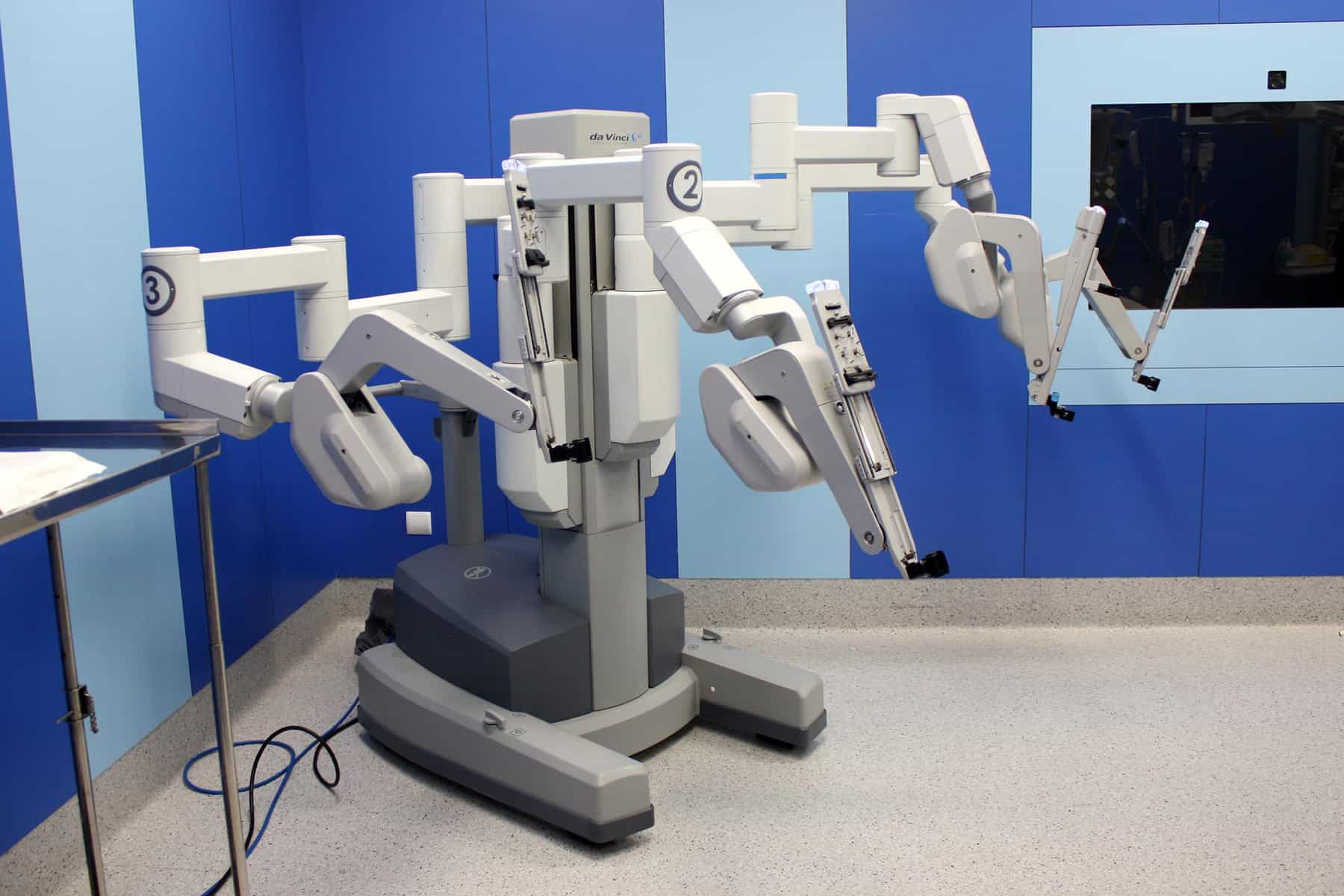
The surgeon operates through several small incisions in the abdomen using a robotic surgical system. The system translates the surgeon’s hand movements into highly precise movements of miniature instruments.
The robotic platform provides a magnified three-dimensional view of the surgical field. This can help the surgeon work carefully around delicate structures near the prostate, including the nerves involved in erectile function. When safe and appropriate, an approach called nerve-sparing may be used to preserve these nerves.
Compared with traditional open surgery, the minimally invasive technique is generally associated with smaller incisions and for many men a quicker recovery. As with all treatments for prostate cancer, there are potential side effects, including effects on urinary control and sexual function.
Surgery is one of several recognised options for localised prostate cancer. Your consultant will explain honestly whether robotic radical prostatectomy in Newcastle is suitable for you and how it compares with radiotherapy and active surveillance.
How it works
Robot-assisted surgery aims to combine thorough cancer removal with precise technique.
Robot-assisted approach
The surgeon controls the robotic system from a console. Movements are translated into fine, controlled actions through small incisions.
Nerve-sparing where possible
Where the cancer’s position allows, delicate nerves involved in erectile function may be preserved. Whether this is possible depends on the location and extent of the cancer.
Minimally invasive technique
Smaller incisions than open surgery are generally associated with reduced blood loss and quicker recovery for many men.
Who robotic radical prostatectomy may suit
Robotic prostatectomy may be considered for men who:
- Have localised prostate cancer suitable for surgical removal
- Are medically fit for an operation
- Are weighing surgery against radiotherapy or active surveillance
- Wish to understand all appropriate treatment options before deciding
A detailed consultation ensures the decision reflects both clinical factors and your personal priorities.
What to expect
- Assessment
Your consultant will review biopsy results, PSA levels, imaging and overall health. Suitability for surgery is discussed carefully. - Informed discussion
The potential benefits, risks and recovery are explained in plain language. Alternatives such as radiotherapy or surveillance are discussed so that the choice is balanced and informed. - Surgery and recovery
The operation is performed under general anaesthetic. A urinary catheter is usually required for a short period afterwards. Recovery includes gradual return to normal activity and support with pelvic floor exercises where appropriate. Follow-up includes PSA monitoring to assess response to treatment.
Why choose The Forbury Clinic for robotic radical prostatectomy?
Precise surgical technique
Robotic assistance offers magnified visualisation and refined control during surgery.
Nerve-sparing potential
Where safe and oncologically appropriate, the approach aims to preserve nerves important for erectile function.
Minimally invasive recovery
Smaller incisions than open surgery are generally associated with quicker recovery for many men.
Honest and balanced advice
Surgery is discussed alongside radiotherapy and active surveillance, with potential side effects explained clearly.
Frequently asked questions
Is surgery the best treatment for prostate cancer?
There is no single best treatment for everyone. Surgery, radiotherapy and active surveillance are all recognised options for localised prostate cancer. The right choice depends on cancer characteristics and your personal priorities.
What are the possible side effects?
Potential side effects include urinary incontinence and erectile dysfunction. The likelihood varies depending on individual factors. Your consultant will explain the specific risks and the support available.
What does nerve-sparing mean?
Nerve-sparing refers to preserving the delicate nerves next to the prostate that are involved in erectile function. It is performed where safe and appropriate based on the cancer’s location.
How long is recovery?
Recovery varies between individuals. Many men resume light activities within a few weeks. Your consultant will guide you on returning to work, exercise and other activities.

Book your urology consultation today
Consultations are available to book online for patients with or without a GP referral. Our private specialists provide world-class care in a discrete environment.
- AppointmentBook a consultation
- Reception01189207055
- Location
The Beverley Hospital, The Edge, Fifth Ave, Team Valley, Gateshead NE11 0XA