Mole Removal in Reading
If you are considering mole removal in Reading, whether for cosmetic reasons or because a mole has changed, it is important to choose a consultant-led service that combines clinical accuracy with careful technique.
Mole Removal in Reading
Consultant dermatologist Sacha Goolamali provides expert private mole removal at The Forbury Clinic, with full histology included as standard. You can self-refer without a GP letter, and same week appointments are available for suspicious or changing moles.
Moles are common and usually harmless. However, some people choose removal because a mole catches on clothing, causes irritation, affects confidence, or has altered in size, colour or shape.


Why Are Moles Removed?
There are two main reasons patients seek mole removal: cosmetic preference and medical concern.
Cosmetic Mole Removal
Many patients request removal because a mole is raised, prominent or located in a visible area such as the face, neck or chest. Others experience repeated trauma from shaving or friction from clothing.
Cosmetic removal focuses on achieving the safest removal with the best possible aesthetic outcome. Careful surgical planning helps minimise scarring while ensuring complete removal of the lesion.
Suspicious or Changing Moles
If a mole has changed in colour, shape, size or sensation, prompt assessment is essential. Features such as irregular borders, multiple colours, bleeding or itching can indicate the need for urgent evaluation.
While most moles are benign, some can represent early forms of skin cancers including basal cell or other conditions such as Malignant Melanomas.
For more information read our article – Suspicious Mole or Skin Lesion? When You Need a Private Excision. If you are concerned about a recent change, we offer same week appointments for suspicious mole removal in Reading.
Mole Removal Methods
Two primary techniques are used for mole removal at The Forbury Clinic. The choice depends on the size, depth, location and clinical features of the mole.
Shave Biopsy
A shave biopsy involves carefully removing the raised portion of the mole at skin level. It is commonly used for superficial or raised moles that are clinically benign.
The area is numbed with local anaesthetic before removal. Healing usually occurs within one to two weeks, leaving a small, flat scar.
For a detailed comparison, read our guide on shave biopsy vs excision biopsy for mole removal.
Excision Biopsy
An excision biopsy removes the entire mole along with a small margin of surrounding skin. This technique is recommended when a mole is deeper, atypical or clinically suspicious.The wound is closed with fine sutures to optimise healing and cosmetic outcome.
If you are unsure which procedure is appropriate, learn more about when you need a private mole excision. Both techniques are performed under local anaesthetic and are usually completed within 30 to 45 minutes depending on complexity.
Full Histology Included With Every Removal
Every mole removed at The Forbury Clinic is sent for full histological analysis.
Histology means the tissue is examined under a microscope by a specialist pathologist to confirm the exact diagnosis. This ensures that even lesions that appear benign are formally checked.
Read more about what happens to a mole after it’s removed in our dedicated article.
Results are typically available within one to two weeks. If anything further is required, you will be contacted promptly and guided through the next steps.
What to Expect at Your Appointment
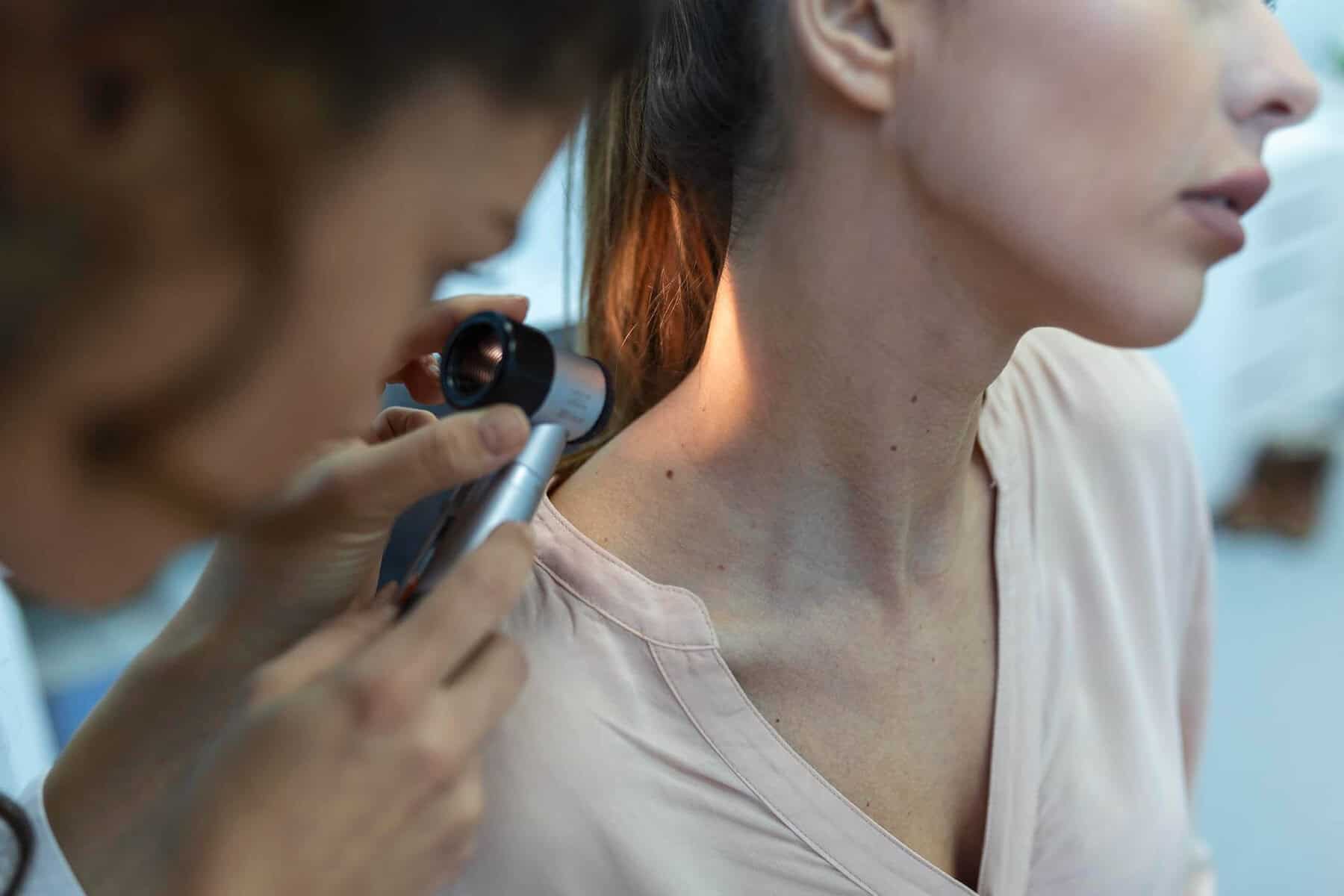
Your appointment begins with a detailed clinical assessment by consultant dermatologist Sacha Goolamali. Dermoscopy, a magnified skin examination technique, may be used to evaluate the mole carefully.
If removal is appropriate and you wish to proceed, the procedure can usually be carried out during the same visit.
The process includes:
- Local anaesthetic to ensure comfort
- Careful surgical removal
- Closure with sutures if required
- Application of a small dressing
- Clear written aftercare instructions
Most patients return to normal daily activity immediately after the procedure.
Pricing
Clear information about pricing helps you decide on private mole removal without uncertainty.
Fees vary depending on:
- The number of moles
- The size and location
- The technique required
Full histology is included in the removal fee.
For an accurate quote, please contact our team prior to booking.
Urgent Concern About a Changing Mole?
If you have noticed a recent change in a mole, including rapid growth, darkening, bleeding or irregular borders, do not delay assessment. We offer same week appointments for suspicious mole removal in Reading.
Mole Removal FAQs
- Is mole removal covered by private health insurance?
Many insurance providers cover medically necessary mole removal, particularly if there is clinical concern. Cosmetic removal is typically self-funded. We recommend checking directly with your insurer before booking.
- What is the difference between shave biopsy and excision biopsy for mole removal?
A shave biopsy removes the raised part of the mole at skin level, while excision biopsy removes the entire lesion with surrounding margin and sutures. The most appropriate method depends on the mole’s features and depth.
- How long does it take to get mole removal results?
Histology results are usually available within one to two weeks. You will be contacted once the report is received and reviewed.
- Can a mole grow back after removal?
If a mole is completely removed by excision, it is unlikely to return. In rare cases, residual cells may cause partial regrowth after shave removal.
- Does mole removal leave a scar?
Any skin procedure leaves a mark. However, careful technique and proper aftercare help minimise visible scarring. Most scars fade significantly over time.
- How do I know if my mole needs to be removed?
Changes in size, shape, colour or sensation should always be assessed. If you are uncertain, booking an expert review provides reassurance and clarity.
- How quickly can I be seen for a suspicious mole?
Same week appointments are available. You can self-refer directly without a GP letter.
- Is mole removal painful?
Local anaesthetic is used before removal, so the procedure itself is not painful. Mild soreness afterwards is common and usually settles within a few days.
Why Choose The Forbury Clinic for Mole Removal in Reading?
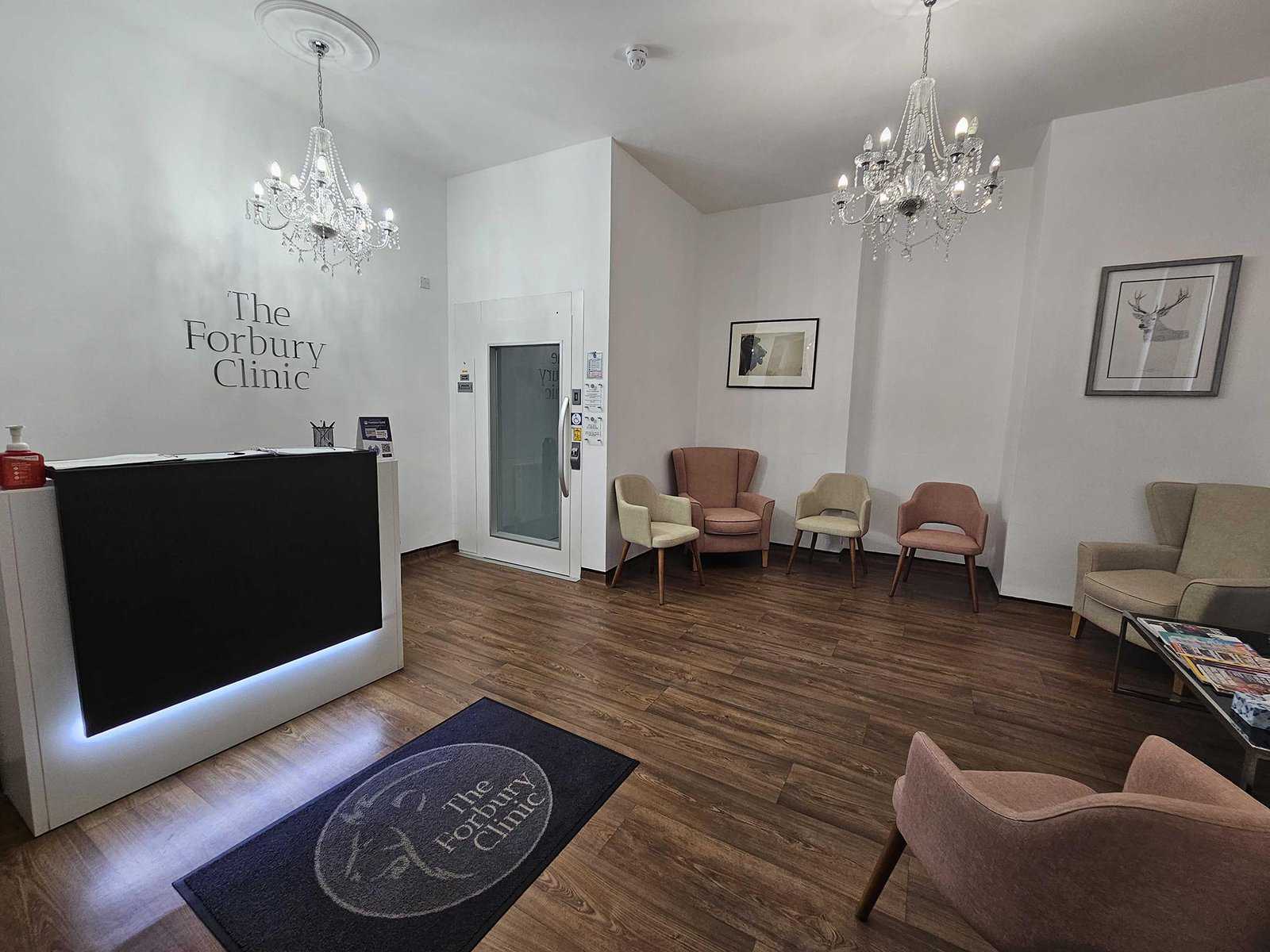
The Forbury Clinic provides consultant-led dermatology in a comfortable, modern setting in Reading.
Patients choose our service because we offer:
- Direct self-referral with no GP letter required
- Same week appointments for suspicious moles
- Full histology included with every removal
- Clear pricing and structured follow-up
- Consultant care from assessment through to results
Sacha Goolamali combines clinical precision with cosmetic awareness, ensuring your mole removal is handled safely.