Vaginal Rejuvenation Treatment in Reading
Regain comfort, function, and confidence with our advanced laser technology for Vaginal Rejuvenation. The Forbury Clinic offers a nonsurgical solution to revitalise intimate wellbeing. Reach out today and take the first step with a complimentary consultation.

Overview of Vaginal Rejuvenation with Laser Technology
At The Forbury Clinic we offer a nonsurgical vaginal rejuvenation procedure using advanced CO₂ laser technology. This treatment is designed to restore function, comfort and confidence in women experiencing changes to vaginal tissue after childbirth, menopause, hormonal fluctuations or age. Unlike surgery, the procedure is minimally invasive, uses the body’s natural healing processes and involves little downtime.
This approach can address a range of symptoms and conditions affecting intimate health. Below is an overview of those conditions and how laser therapy may help.
Conditions Treated

Age Related Macular Degeneration
Age-Related Macular Degeneration (AMD) is a common eye condition that affects the central part of the retina, leading to vision loss in older adults.
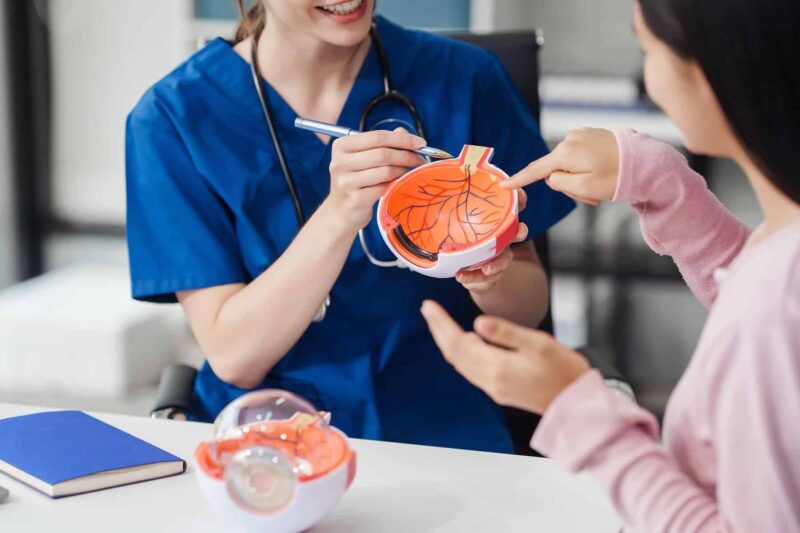
Diabetic Eye Disease
Diabetic Eye Disease, a complication of diabetes, can lead to severe vision loss if not addressed promptly.

Epiretinal Membrane
An epiretinal membrane (ERM) is a thin layer of fibrous tissue that can form on the surface of the retina, causing vision problems such as blurriness and distortion.
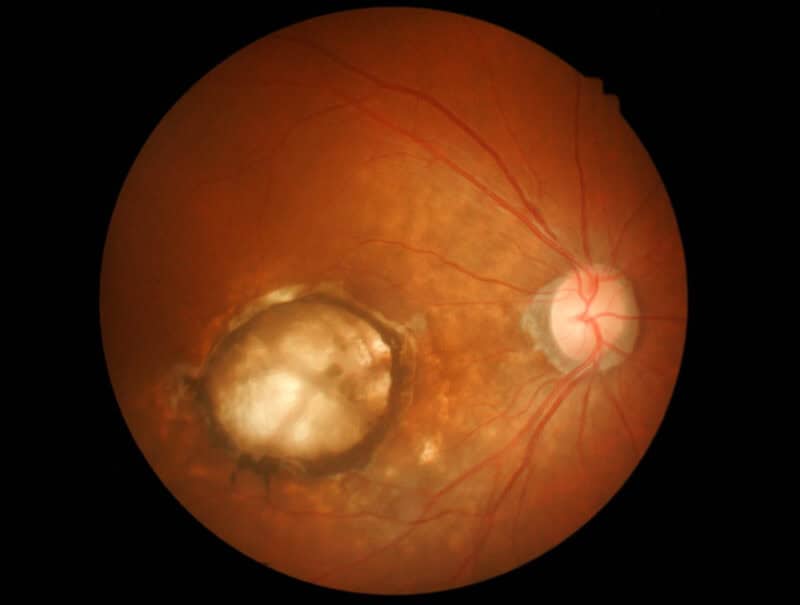
Syvfore (Pegcetacoplan)
Discover advanced treatment for retinal conditions with Syfovre (Pegcetacoplan) at The Forbury Clinic.

Floaters (Posterior Vitreous Detachment)
Regain clear vision and comfort with expert care for Floaters (Posterior Vitreous Detachment) at The Forbury Clinic.
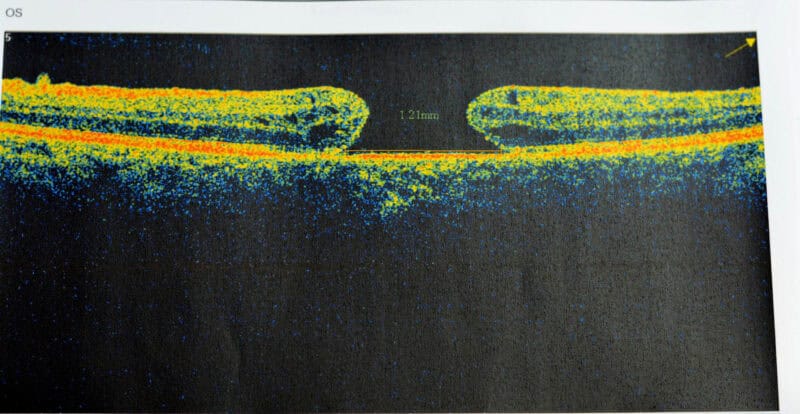
Macular Hole Surgery
A macular hole is a small break in the macula, the part of the retina responsible for sharp, central vision.
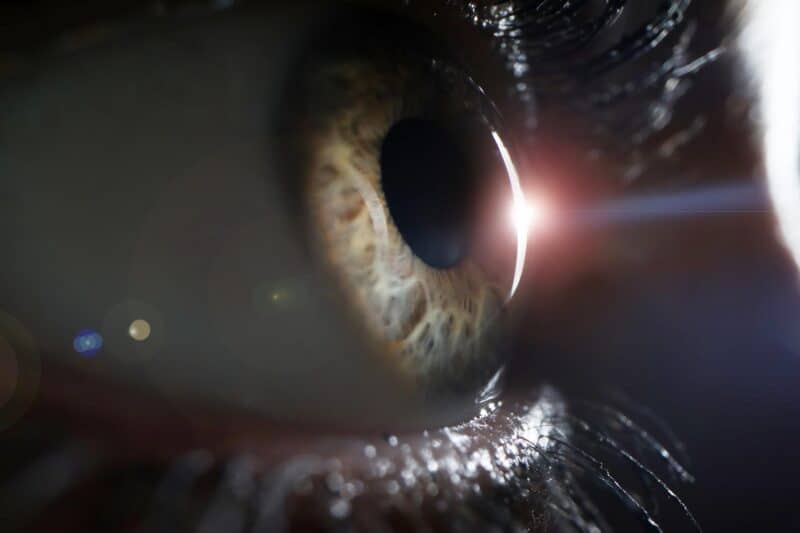
Retinal Detachment
Retinal detachment is a serious eye condition where the retina peels away from its underlying layer of support tissue.
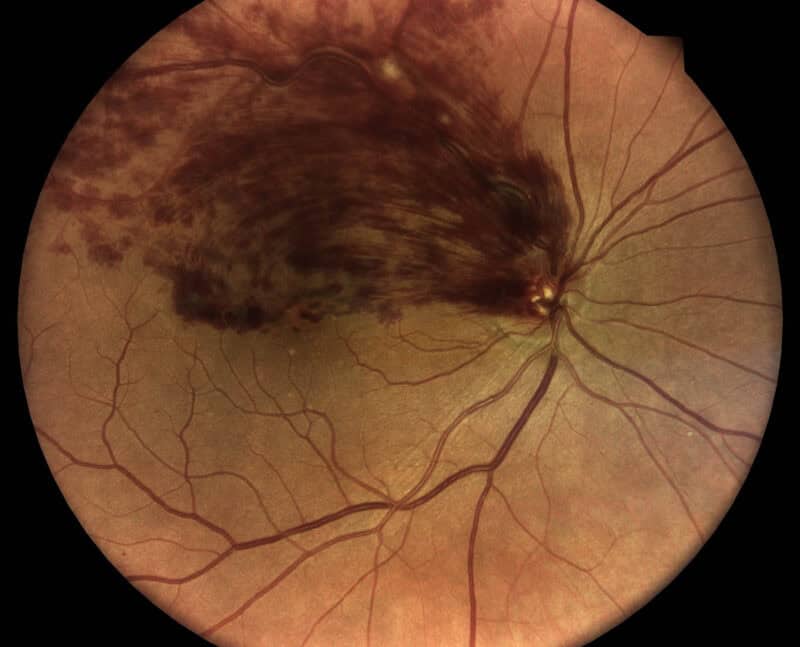
Retinal Vein Occlusion
Protect your vision with expert treatment for Retinal Vein Occlusion at The Forbury Clinic.

Intercourse Pain
Pain during intercourse, also known as dyspareunia, is a common issue that affects many women and can significantly impact intimate relationships and overall wellbeing.
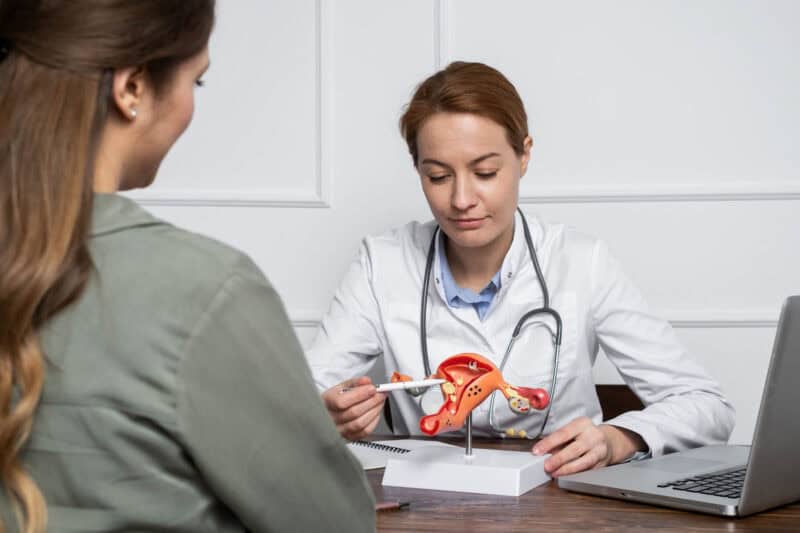
Loose Vagina
Regain your comfort and confidence with specialised treatment for loose vagina at The Forbury Clinic.

Stress Incontinence
Stress incontinence is a common condition affecting many women, characterised by the involuntary leakage of urine during physical activities such as coughing, sneezing, laughing or exercising.
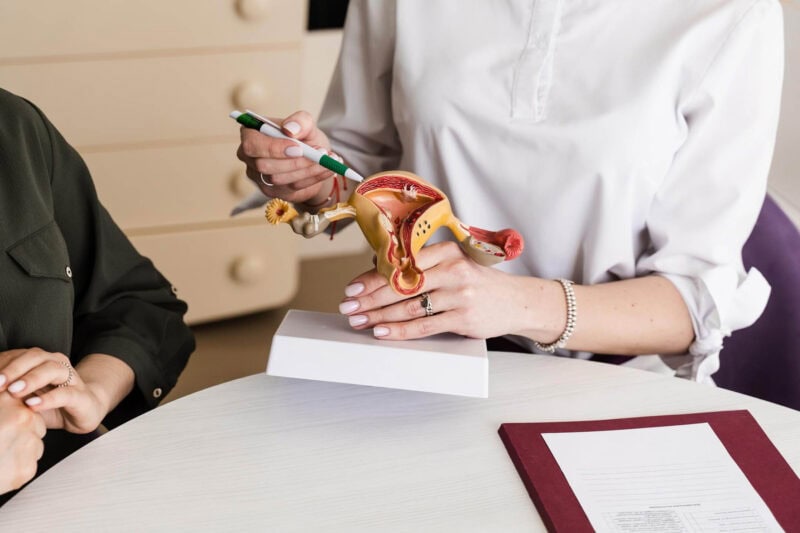
Vagina Dryness
It can significantly impact emotional wellbeing and intimate relationships. Fortunately, effective treatments are available to help restore comfort and confidence.
Conditions We Treat
Below are some of the common issues that may benefit from laser vaginal rejuvenation:
Vaginal Laxity / Vaginal Looseness
A feeling of looseness or reduced tightness of the vaginal walls, often after childbirth or due to reduced collagen and tone.
Loss of Elasticity and Tone
Gradual weakening of vaginal tissue, making it less resilient, less supportive, and more prone to sagging.
Vaginal Atrophy
Thinning, drying and inflammation of vaginal walls, typically due to lower oestrogen levels (for example during menopause).
Itching and Dryness
Irritation or discomfort of vaginal tissue, often linked to reduced moisture or thinning mucosa.
Incontinence (Urinary Leakage)
Unintentional leakage of urine—often mild to moderate stress urinary incontinence (leakage when coughing, sneezing, or exercising).
Lichen Sclerosus
A chronic inflammatory skin condition affecting vulval and perineal tissue, causing thinning, itch, discomfort and scarring.
Painful Sex (Dyspareunia)
Discomfort, burning or pain during intercourse – can result from dryness, tissue fragility or lack of flexibility.
Prolapse (Early Stage)
Some women with mild descent of vaginal walls or adjacent organs may benefit from supportive tissue tightening to relieve symptoms.
Laser therapy works by delivering controlled energy to the vaginal walls. This encourages new collagen formation, improves blood flow, restores moisture, and helps firm and rejuvenate tissue. Over time the vaginal wall regains strength, resilience and function.
Our Treatment Process
1) Initial Consultation:
Your journey begins with a face‑to‑face consultation and examination. At this visit we will check suitability, discuss your symptoms and goals, and perform necessary tests:
- Smear test: If you have not had a clear cervical smear within the past 18 months, a smear will be done on the day.
- Swab: A vaginal/cervical swab is taken from all patients to check for infection.
If a smear is done, the consultation is charged at £200. If your smear is up to date, and we only need to do the swab, the fee is £150.
2. Treatment Sessions
Once you are confirmed as suitable, we recommend a course of three treatment sessions, each priced at £395 per session. Sessions are typically 45 minutes and are spaced 4 to 6 weeks apart to allow optimal healing and collagen development.
3. During the Session
Position and Comfort
You will lie in a comfortable lithotomy position (similar to that used for a smear test). A sterile, single‑use probe is gently inserted into the vaginal canal.
Laser Application
The CO₂ laser device emits controlled pulses of energy to the vaginal tissue. This stimulates collagen production, promoting regeneration and tightening of the vaginal walls. The laser is rotated through 360° to ensure smooth, uniform coverage. The procedure itself usually takes 10–15 minutes.
Sensation and Discomfort
Most patients experience minimal discomfort. Some may feel warmth, mild pressure or a tingling sensation. We can use local anaesthetic or numbing gel if needed to increase comfort.
4. Aftercare
Immediate Aftercare
After treatment you may return to most daily activities right away. However, we ask that you avoid:
- Sexual intercourse for 7 days
- Strenuous exercise for 7 days
- Using scented products or soaps in the treated area for at least 2 hours (ideally longer)
Keep the area clean and dry.
Expected Side Effects
Mild side effects are common and temporary:
- Slight soreness or a dull ache
- Light spotting or discharge
- Mild swelling
These should resolve within a few days. If you notice unexpected or persistent symptoms (such as foul‑smelling discharge or worsening pain) contact our clinic or your GP promptly.
5. Results and Maintenance
Progressive Improvement
You may begin to see positive changes within several weeks, including improved tightness, lubrication, reduced leakage and increased comfort during intercourse. The full benefit usually becomes apparent by 3 months.
Maintenance
To sustain results, a follow‑up (booster) treatment every 1 to 2 years is often advised. The exact interval depends on individual response and lifestyle factors.
6. Long‑Term Follow‑Up
Monitoring Outcomes
We use structured follow‑up questionnaires at regular intervals to track how you are doing. This feedback guides whether additional or alternative treatment is needed.
Supporting Lifestyle Measures
Complementary therapies can help outcomes last longer:
- Pelvic floor muscle training (Kegel exercises)
- Maintaining healthy weight
- Optimising hormonal health (where relevant)
If symptoms persist or worsen, a follow‑up review with a gynaecologist or urology specialist can be arranged.
FAQs
- What is Vaginal Rejuvenation with Laser Technology?
It’s a nonsurgical procedure using laser energy to gently heat vaginal tissue, boosting collagen production to help restore the vagina’s natural structure and function.
- Is the procedure painful?
Most patients experience minimal discomfort during the treatment. Local anaesthesia can be used to ensure a pain-free procedure.
- How long does the treatment take?
A typical session lasts about 30 minutes, with the entire treatment course spanning over a few weeks to achieve optimal results.
- What is the recovery time after Vaginal Rejuvenation?
Recovery time is minimal, with most women returning to their regular activities shortly after the procedure. Specific post-care instructions will be provided to ensure a swift and smooth recovery.
- Who is an ideal candidate for Vaginal Rejuvenation?
Women experiencing vaginal laxity, dryness, discomfort during intercourse, or urinary incontinence may benefit. A personal consultation will confirm if this treatment is right for you.
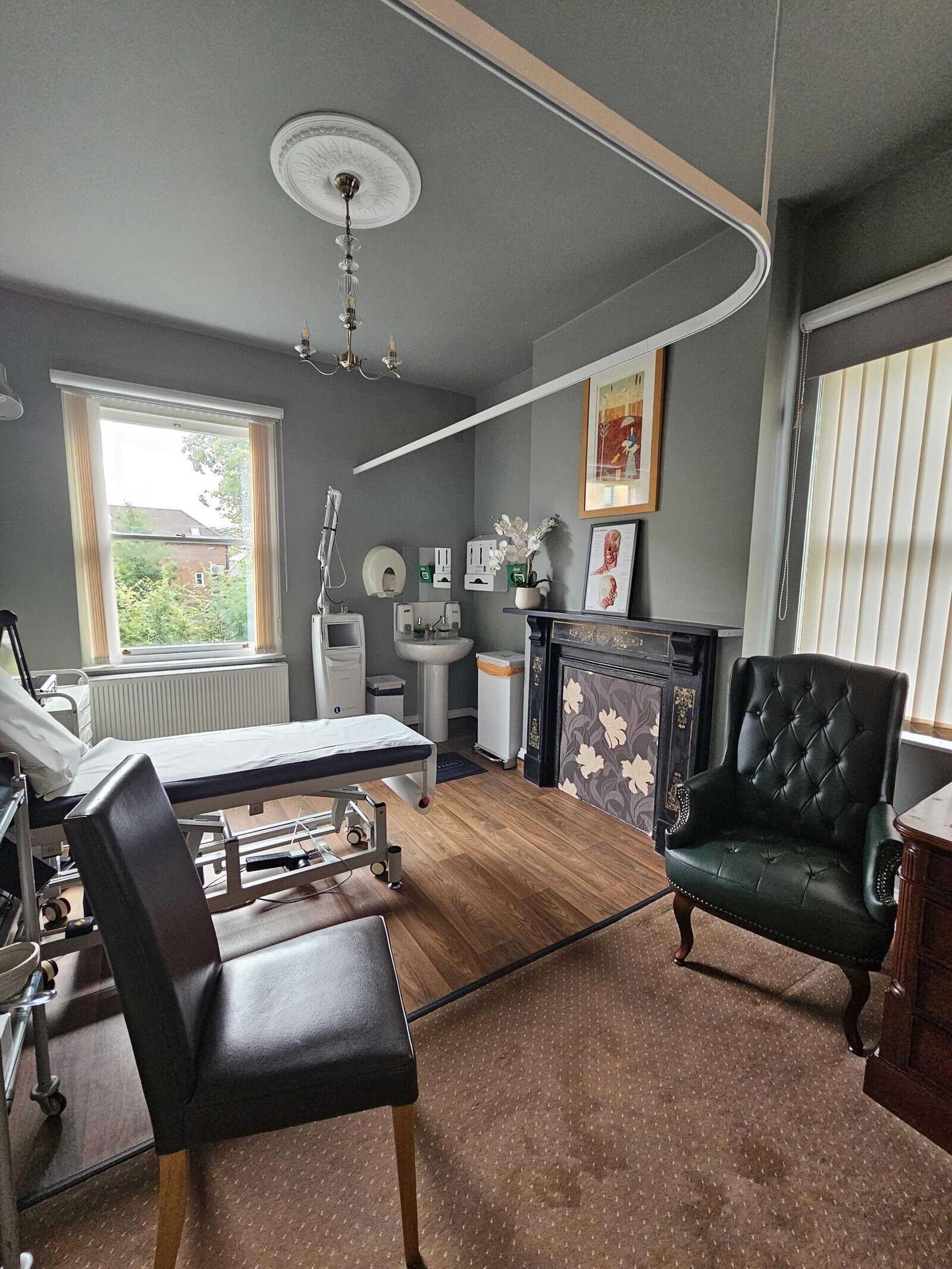
Why Choose The Forbury Clinic?
At The Forbury Clinic, our patients receive consultant-led care in a discreet and supportive environment. Our team has extensive experience in women’s intimate health and we take pride in delivering care that is both professional and personalised. Safety is always our first priority – all treatments are grounded in clinical evidence and guided by best practice. We take the time to understand your needs and develop individualised care plans that reflect your personal goals. Wherever possible, we use minimally invasive techniques to reduce discomfort and downtime. We also provide ongoing support, regular monitoring and clear follow-up, so you always feel informed and in control of your treatment journey.