Cherry Angioma Removal in Reading
Cherry angiomas are small red or purple skin growths made up of tiny blood vessels. They are very common in adults and tend to increase with age. Although they can look noticeable, cherry angiomas are benign and removal is usually for comfort or appearance rather than medical necessity.
For those seeking cherry angioma removal in Reading, consultant-led assessment at The Forbury Clinic provides clarity reassurance and treatment where appropriate.

Cherry angioma removal at a glance
Cherry angiomas are benign vascular skin lesions made up of small clusters of blood vessels. They are very common and often begin to appear from the age of 30 onwards, with the number gradually increasing over time. In most cases they are not dangerous and do not require medical treatment.
Removal is usually considered for cosmetic reasons or because a lesion becomes irritated or catches on clothing. Assessment is carried out by a consultant dermatologist to confirm the diagnosis and discuss appropriate options. Where treatment is chosen, cryotherapy is the primary removal method offered.

What is a cherry angioma?
A cherry angioma is a small non-cancerous growth formed from clusters of tiny blood vessels in the skin. They are sometimes referred to as Campbell de Morgan spots.
They usually appear as:
- Bright red dark red or purple spots
- Round or oval in shape
- Flat or slightly raised
- A few millimetres in size
They most often develop on the chest,abdomen, back or upper arms, but can appear anywhere on the body.
Cherry angiomas are extremely common. The British Association of Dermatologists notes that most adults will develop at least one during their lifetime. Many people notice an increase in number over time.
What causes cherry angiomas?
The precise cause is not fully understood. Cherry angioma causes are thought to be linked to changes in small blood vessels associated with ageing.
Factors that may contribute include:
- Increasing age
- Genetic predisposition
- Hormonal changes
- Pregnancy
They are not contagious and are not linked to poor hygiene or lifestyle factors.
Although the appearance can be concerning, particularly if one develops suddenly, they are not associated with skin cancer.
Are cherry angiomas dangerous?
Cherry angiomas are benign. This means they are non-cancerous and do not spread.
They do not turn into melanoma or other skin cancers. However, any new or changing lesion should be assessed if it:
Changes in colour shape or size
Develops irregular borders
Bleeds without obvious cause
Becomes persistently sore or inflamed
Certain skin cancers can occasionally appear red rather than dark. For that reason, a professional examination is sensible if there is any uncertainty.
For many patients, reassurance is the main outcome of consultation.
When should a cherry angioma be checked?
You may wish to seek review if:
- You are unsure about the diagnosis
- The lesion looks different from others on your skin
- It frequently catches on clothing
- It bleeds repeatedly
- It has appeared rapidly alongside other unusual symptoms
A consultant dermatologist can confirm the diagnosis through clinical examination. In rare cases where there is uncertainty, further assessment may be advised.
Some patients who attend with red or mottled skin changes may also be assessed for other conditions such as sun-related vascular changes. Where appropriate, advice regarding poikiloderma treatment may be discussed.
Cherry angioma removal in Reading
Cherry angioma removal is straightforward and usually completed in a single visit.
Removal is typically chosen for:
- Cosmetic reasons
- Repeated bleeding
- Irritation from clothing or jewellery
As cherry angiomas are benign, removal is usually elective.
Cryotherapy
The primary treatment offered is cryotherapy. This uses controlled freezing to destroy the small cluster of blood vessels forming the angioma.
The procedure involves:
- Applying a precise burst of very cold liquid nitrogen
- Freezing the lesion for a few seconds
- Allowing it to naturally heal over the following days
You may notice mild redness swelling or blistering afterwards. A small scab may form before healing. Most people return to normal activities straight away.
Cryotherapy is widely used in dermatology for benign skin lesions and is supported by UK clinical guidance for minor skin procedures.
What to expect at your appointment
Your consultation includes:
- A full skin assessment of the lesion
- Confirmation that the growth is benign
- Discussion of treatment options
- Explanation of risks benefits and aftercare
Consultant dermatologist Sacha Goolamali provides specialist assessment and treatment as part of the dermatology service.
If appropriate cryotherapy can often be performed during the same visit.
Aftercare advice will include:
- Keeping the area clean and dry
- Avoiding picking at any scab
- Monitoring for signs of infection
Healing typically occurs within one to two weeks depending on the size and location.
Do cherry angiomas come back after removal?
The treated angioma usually does not return once successfully removed.
However, new cherry angiomas may appear elsewhere over time because the underlying tendency remains. Removal treats the individual lesion rather than preventing future ones.
Pricing
Cherry angioma removal is considered a cosmetic procedure and is not usually funded by the NHS.
Typical private fees for consultations and cryotherapy treatment vary. A clear, personalised quotation will be provided following assessment.
To discuss fees, please contact the clinic directly.
Is cherry angioma removal covered by the NHS?
Cherry angiomas are benign and not usually harmful. For that reason, removal is rarely available on the NHS unless there are specific medical concerns such as persistent bleeding or diagnostic uncertainty.
Private treatment allows prompt assessment and removal without referral delays.
What causes cherry angiomas?
- At what age do cherry angiomas usually appear?
They commonly begin appearing from the age of 30. The number often increases gradually with age.
- Are cherry angiomas dangerous?
No. Cherry angiomas are benign blood vessel growths. They do not become cancerous. Any changing lesion should still be reviewed.
- What causes cherry angiomas?
The exact cause is unknown. Ageing genetic tendency and hormonal influences are thought to play a role.
- Can cherry angiomas be removed privately?
Yes. Cherry angioma removal in Reading is available through consultant-led dermatology care. Treatment is usually quick and carried out during a single visit.
- Do cherry angiomas come back after removal?
The treated lesion normally does not return. New lesions can develop in other areas over time.
- How much does cherry angioma removal cost?
Costs depend on the number size and location of lesions. A personalised quote is provided after consultation.
Why Choose The Forbury Clinic?
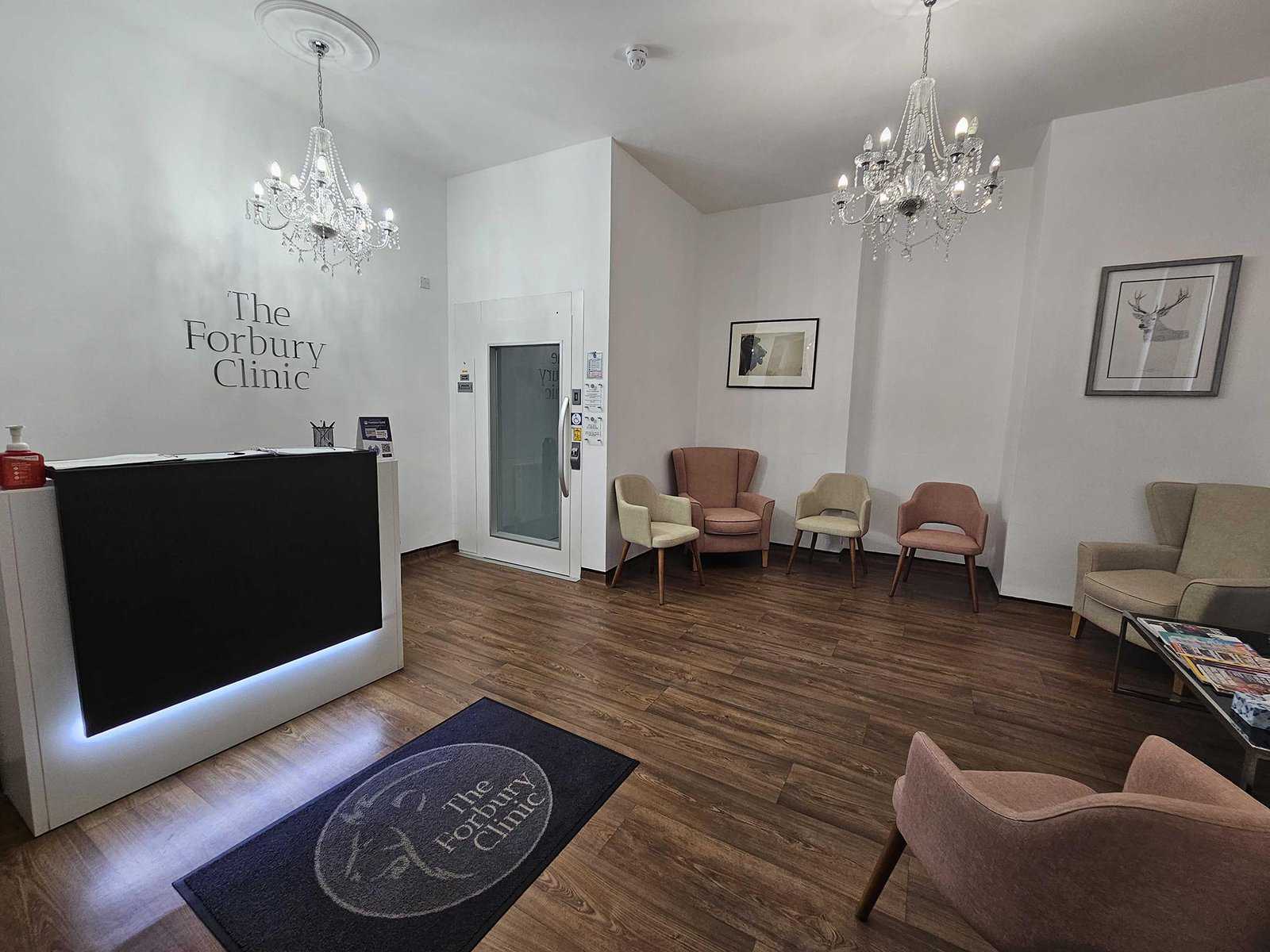
Our consultant dermatologists are experts in the safe assessment and removal of benign skin lesions such as cherry angiomas. We combine medical precision with cosmetic care to deliver smooth, natural-looking results while ensuring your comfort and confidence at every step.
When to seek urgent help
Call 999 if a skin lesion is associated with heavy bleeding that does not stop with firm pressure.
For non-urgent medical advice, contact NHS 111.